Understanding Tariffs and Your Investment Portfolio in 2026

If you’ve been watching the markets in 2026, you’ve likely noticed one word dominating the headlines: tariffs. With a baseline 10% tariff on most imports and reciprocal tariffs on certain countries reaching as high as 145%, trade policy has become a significant force shaping the investing landscape. But what does this actually mean for your portfolio? In this article, we’ll break down the key impacts of tariffs on investments and share practical, educational insights to help you make informed decisions—without recommending any specific stock or strategy.
What Are Tariffs, and Why Do They Matter to Investors?
A tariff is essentially a tax placed on imported goods. When a government imposes tariffs, the cost of bringing foreign products into the country rises. While tariffs are designed to protect domestic industries, they can also increase costs for businesses and consumers alike.
For investors, tariffs matter because they can directly affect corporate earnings, supply chain costs, and consumer spending—three pillars that drive stock market performance. According to research from Goldman Sachs, U.S. companies and consumers absorbed approximately 82% of tariff costs as of late 2025, meaning these are real costs flowing through the economy, not merely theoretical policy debates.
How Tariffs Are Reshaping Sectors in 2026
Not all sectors respond to tariffs in the same way. Understanding these differences can help you think more critically about portfolio construction.
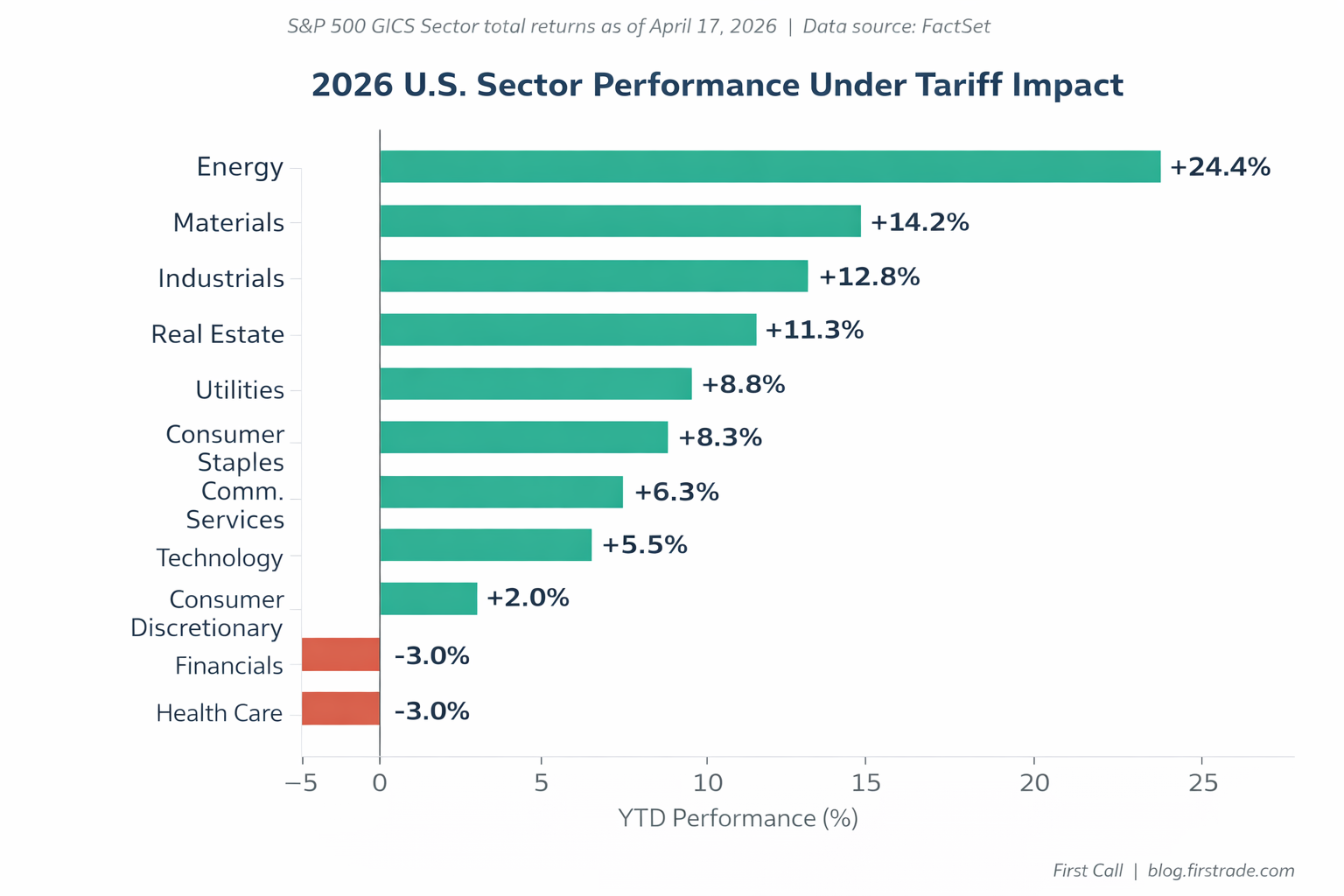
Figure 1: 2026 year-to-date sector performance shows significant divergence under tariff impact. Past performance does not guarantee future results and there is no assurance this market trend will continue. Sector performance based on S&P 500 Index. The S&P 500® is widely regarded as the best single gauge of large-cap U.S. equities, Investors cannot invest directly in an index.
Energy and Commodities
Energy stocks have been among the strongest performers in early 2026, up roughly 24.4% and powering the broader market to record highs. Geopolitical developments—such as shifts in Middle East trade routes—have created both volatility and opportunity in oil and commodity markets. For investors, this highlights how tariff-related geopolitical tensions can create unexpected sector rotations.
Consumer and Retail
Retailers that rely heavily on imported goods—particularly from countries facing the highest tariff rates—may see margin pressure. However, companies with strong domestic supply chains or significant pricing power may be better positioned to weather these headwinds. The elimination of the “de minimis” loophole for low-value imports has also fundamentally changed the competitive landscape for e-commerce.
Technology and AI Infrastructure
Despite tariff concerns, the AI infrastructure buildout continues at a massive pace, with an estimated $5 to $8 trillion in AI-related capital expenditure expected through 2030. This creates a nuanced picture: technology supply chains face tariff-related cost pressures, while the demand for AI infrastructure remains robust. Investors should consider how these competing forces may affect the broader tech sector.
Diversification: Your Portfolio’s Best Friend During Trade Uncertainty
If there’s one principle that becomes even more important during periods of trade policy uncertainty, it’s diversification. The 10 largest companies in the S&P 500 now constitute over 40% of the index’s market capitalization, which means many portfolios may be more concentrated than investors realize.
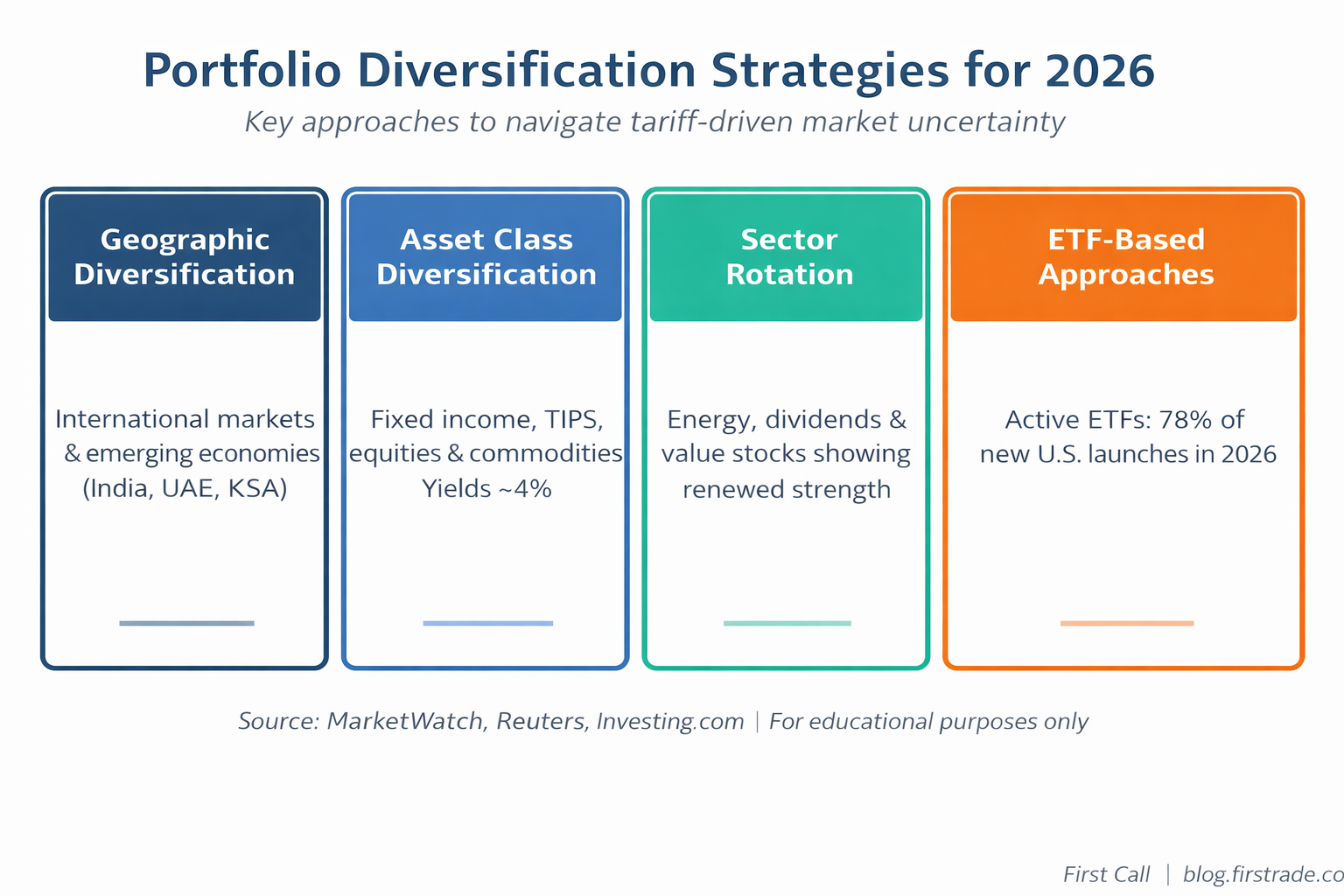
Figure 2: Four key diversification strategies to navigate tariff-driven market uncertainty.
Here are some diversification concepts worth understanding in the current environment:
Geographic diversification: International markets—particularly in regions less affected by U.S. tariff policy—have shown renewed strength in 2026. Emerging markets in India, the UAE, and Saudi Arabia are attracting investor attention.
Asset class diversification: Fixed income has reemerged as an attractive component, with yields stabilizing around 4%. Treasury Inflation-Protected Securities (TIPS) can provide a hedge against tariff-driven inflation.
Sector diversification: Previously overlooked areas like dividend-paying stocks and energy have exhibited strong performance in 2026, partially reflecting the shifting economic landscape.
ETF-based approaches: Exchange-traded funds remain one of the simplest ways to achieve broad diversification. Active ETFs captured 78% of new U.S. fund launches in 2026, reflecting growing investor demand for professionally managed diversification strategies.
Inflation, Interest Rates, and the Tariff Connection
Tariffs and inflation are closely linked. When import costs rise, businesses often pass those costs to consumers, which can push inflation higher. In 2026, analysts note that while tariffs may create a “one-time shock” to goods prices, the persistent nature of current trade policies could keep goods inflation elevated for longer than initially expected.
This has implications for Federal Reserve policy. Markets have been pulling forward expectations for rate cuts, but elevated inflation from tariffs could complicate the Fed’s decision-making. For investors, understanding this dynamic is important because interest rate changes affect everything from bond prices to mortgage rates to the relative attractiveness of growth versus value stocks.
Forecasts suggest 30-year mortgage rates may end 2026 around 5.9%, down from recent highs in the 6–7% range. Lower rates generally support housing and consumer spending, which can be a tailwind for certain segments of the market.
Practical Takeaways: Thinking Clearly Amid Tariff Noise
The current environment can feel overwhelming, but the most successful long-term investors tend to follow a few timeless principles:
Stay informed, not reactive. Understanding how tariffs work and which sectors they affect is different from making impulsive trades based on headlines. Knowledge is your most valuable tool.
Review your portfolio’s concentration. With so much of the S&P 500 weighted toward a handful of large-cap stocks, it’s worth checking whether your investments are as diversified as you think.
Think long-term. Tariff policies can change with political cycles. Building a portfolio that can weather various economic scenarios is more valuable than trying to time policy shifts.
Consider the role of professional tools. Platforms like Firstrade offer commission-free (need to include footnote with what investments are Zero commissions) trading, research tools, and access to a wide range of ETFs and securities that can help you build a diversified portfolio on your own terms.
The Bottom Line
Tariffs are reshaping the 2026 investing landscape in meaningful ways—from sector rotations and inflation dynamics to shifts in global trade patterns. While no one can predict exactly how trade policy will evolve, educating yourself about these forces puts you in a stronger position. At Firstrade, we believe that informed investors are empowered investors. Stay curious, stay diversified, and keep learning.
This article is for educational and informational purposes only and does not constitute investment advice, a recommendation, or a solicitation to buy or sell any security. All investments involve risk, including possible loss of principal. Past performance does not guarantee future results. Data contained herein from third-party providers is obtained from what are considered reliable sources. However, its accuracy, completeness, or reliability cannot be guaranteed. Please consult a qualified financial advisor before making investment decisions. Firstrade Securities Inc. is a member of FINRA/SIPC.