Earnings Season Decoded: What Big Tech's AI Spending Means for Investors
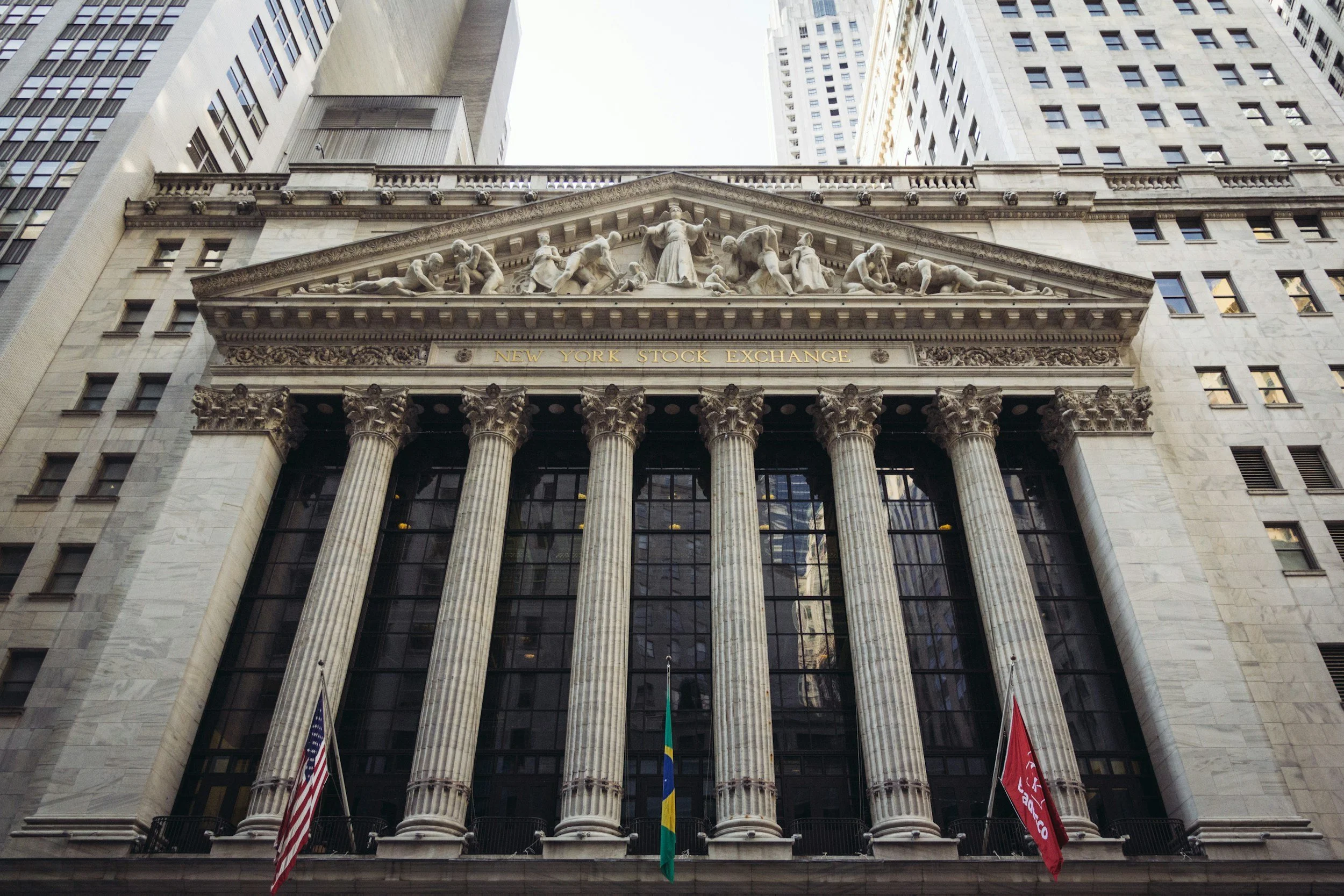
This week marks one of the most anticipated moments of earnings season: four of the largest technology companies in the world — Alphabet, Amazon, Meta Platforms, and Microsoft — are reporting their Q1 2026 results on the same day. The central question on every investor's mind isn't just whether these companies beat expectations, but whether the massive artificial intelligence spending spree is translating into sustainable growth. In this article, we'll help you understand what to watch for and what it all means — without recommending any specific investment action.
The Scale of AI Capital Expenditure in 2026
The numbers are staggering. Combined, these four companies are expected to spend nearly $700 billion on capital expenditure in 2026, the vast majority directed toward AI infrastructure — data centers, specialized chips, and cloud computing capacity. To put this in perspective, that's roughly equivalent to the entire GDP of Switzerland, spent in a single year on building AI capabilities.
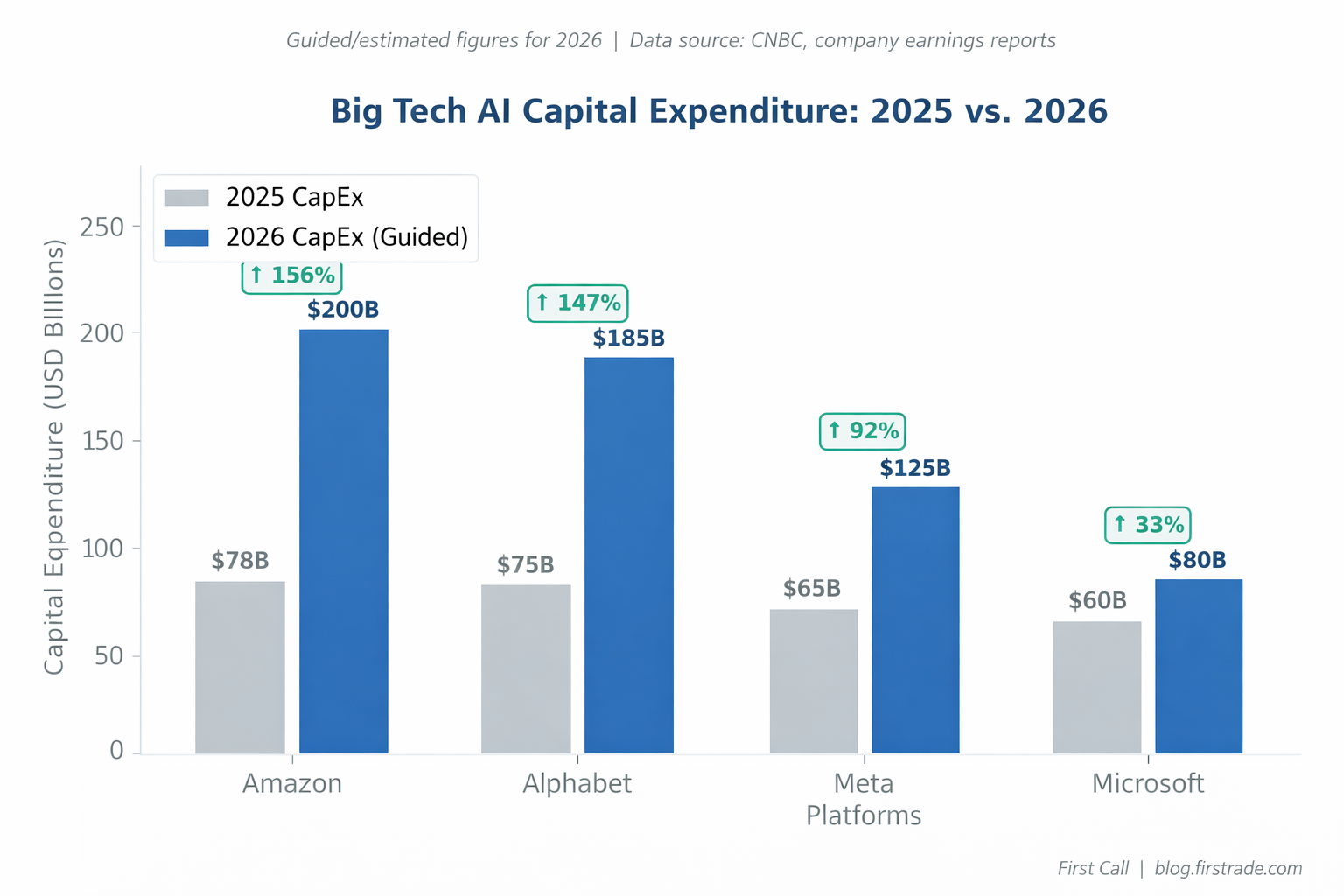
Figure 1: Big Tech AI capital expenditure comparison, 2025 vs. 2026 guided estimates. Data source: CNBC, company earnings reports.
Amazon leads with an estimated $200 billion in 2026 capex (up 156% from 2025), followed by Alphabet at $185 billion, Meta Platforms at up to $125 billion, and Microsoft at approximately $80 billion. These figures represent a dramatic acceleration from just two years ago, when combined spending was a fraction of current levels.
Why Free Cash Flow Matters More Than Revenue
During earnings season, headlines tend to focus on whether a company "beat" or "missed" revenue and earnings per share estimates. While those numbers matter, experienced investors often pay closer attention to free cash flow — the cash a company generates after accounting for all operating expenses and capital investments.
Here's why this metric is particularly important right now: when companies spend aggressively on AI infrastructure, their free cash flow can decline sharply even as revenue grows. Analysts at major research firms have flagged that several large technology companies may see dramatic free cash flow declines in 2026 due to elevated AI spending. For investors, the key question becomes whether these investments will eventually generate returns that justify the short-term cash flow pressure.
How to Read Earnings Reports: Four Key Metrics
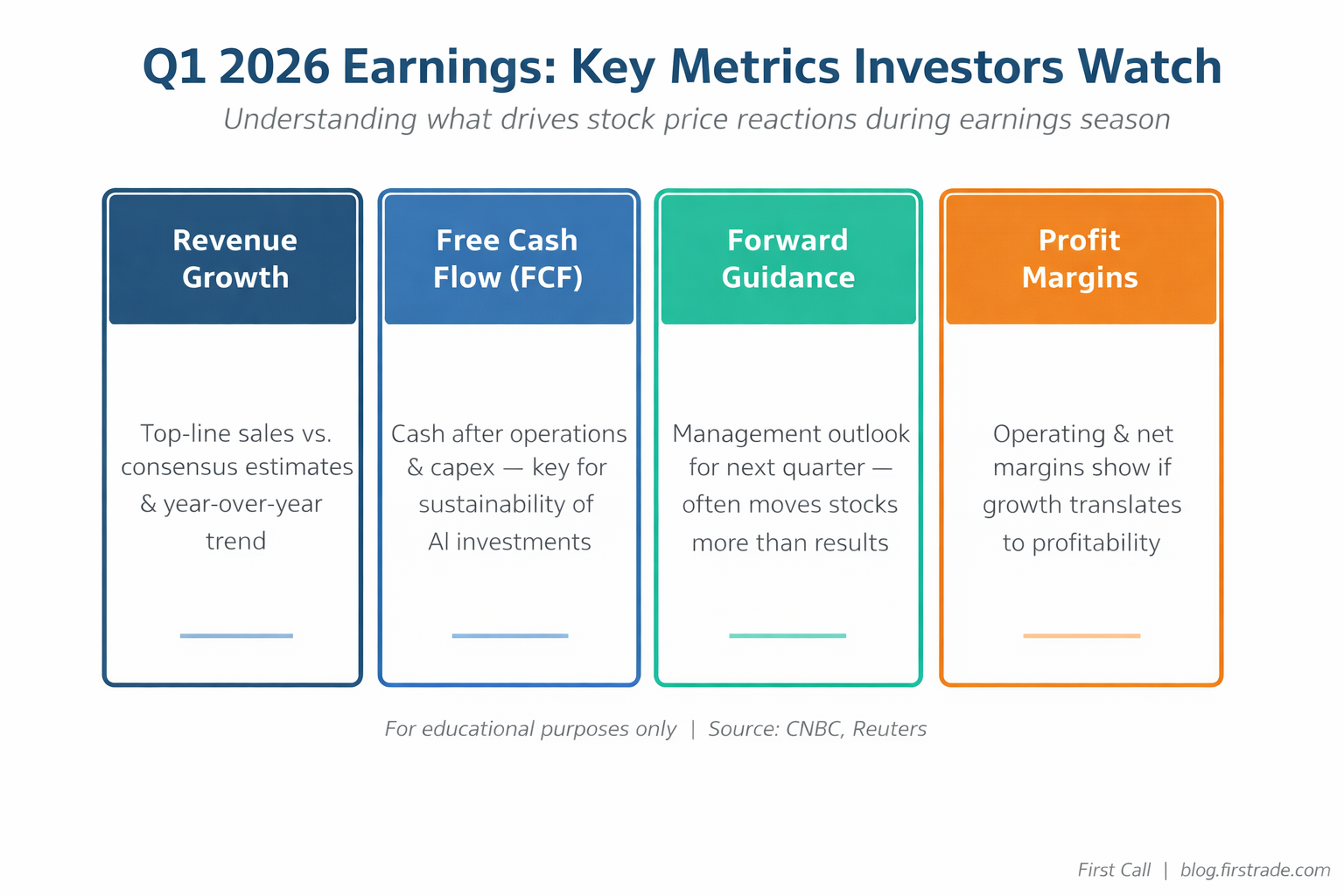
Figure 2: Four key metrics investors should monitor during earnings season.
Whether you're evaluating technology companies or any other sector, understanding these four metrics can help you become a more informed investor:
Revenue Growth: Compare reported revenue to analyst consensus estimates and to the same quarter last year. Consistent growth above expectations is generally a positive signal.
Free Cash Flow (FCF): Look at how much cash the company actually generated after all spending. A growing company with shrinking FCF may be investing heavily — which can be positive if the investments pay off, or concerning if returns remain unclear.
Forward Guidance: Management's outlook for the next quarter often moves stock prices more than the actual results. Pay attention to whether companies raise, maintain, or lower their guidance.
Profit Margins: Operating and net margins reveal whether revenue growth is translating to profitability. Expanding margins generally indicate operating leverage; shrinking margins may signal rising costs.
The Bigger Picture: What AI Spending Means for the Market
The AI infrastructure buildout isn't just a story about four companies — it has ripple effects across the entire economy. Semiconductor manufacturers, energy providers (data centers consume enormous amounts of electricity), construction firms, and specialized cooling companies all benefit from this spending wave. The Energy sector's strong 2026 performance, for example, is partly driven by surging demand for data center power.
At the same time, there's a growing debate about whether AI investments will deliver returns proportional to their cost. If the return on investment materializes, the current spending could look like the early days of cloud computing — expensive upfront but transformative over time. If it doesn't, some investors worry about a correction similar to the dot-com era.
The Fed Factor: Powell's Final Meeting
Adding another layer of complexity this week, the Federal Reserve concludes its April policy meeting today — which is expected to be Chair Jerome Powell's last before his term ends on May 15. Markets widely expect the Fed to hold rates steady at 3.50%–3.75%, marking the third consecutive pause in 2026. The transition to a new Fed chair adds uncertainty to the interest rate outlook, which can affect technology stocks particularly given their sensitivity to borrowing costs and discount rates.
Practical Takeaways for Investors
Don't react to headlines alone. A company can "miss" earnings expectations but still be executing a sound long-term strategy. Similarly, an earnings "beat" doesn't automatically mean a stock will rise.
Focus on the trend, not a single quarter. One quarter of declining free cash flow during a massive investment cycle may be less concerning than multiple consecutive quarters of deterioration.
Diversification remains essential. The concentration of AI-related spending in a handful of companies highlights the importance of not having your portfolio overly dependent on any single sector or theme.
Use earnings season as a learning opportunity. Platforms like Firstrade provide research tools, analyst ratings, and earnings calendars that can help you stay informed and make your own decisions with confidence.
The Bottom Line
Earnings season is one of the most information-rich periods in the investing calendar, and this week's reports from major technology companies will provide crucial insights into the state of AI investment. Rather than trying to predict short-term price movements, use this as an opportunity to deepen your understanding of how to evaluate companies. At Firstrade, we believe that knowledge is the foundation of confident investing.
Disclaimer: This article is for educational and informational purposes only and does not constitute investment advice, a recommendation, or a solicitation to buy or sell any security. All investments involve risk, including possible loss of principal. Past performance does not guarantee future results. Data contained herein from third-party providers is obtained from what are considered reliable sources. However, its accuracy, completeness, or reliability cannot be guaranteed. Please consult a qualified financial advisor before making investment decisions. Firstrade Securities Inc. is a member of FINRA/SIPC.