Navigating Rising Inflation and Interest Rate Uncertainty: A 2026 Investor’s Guide
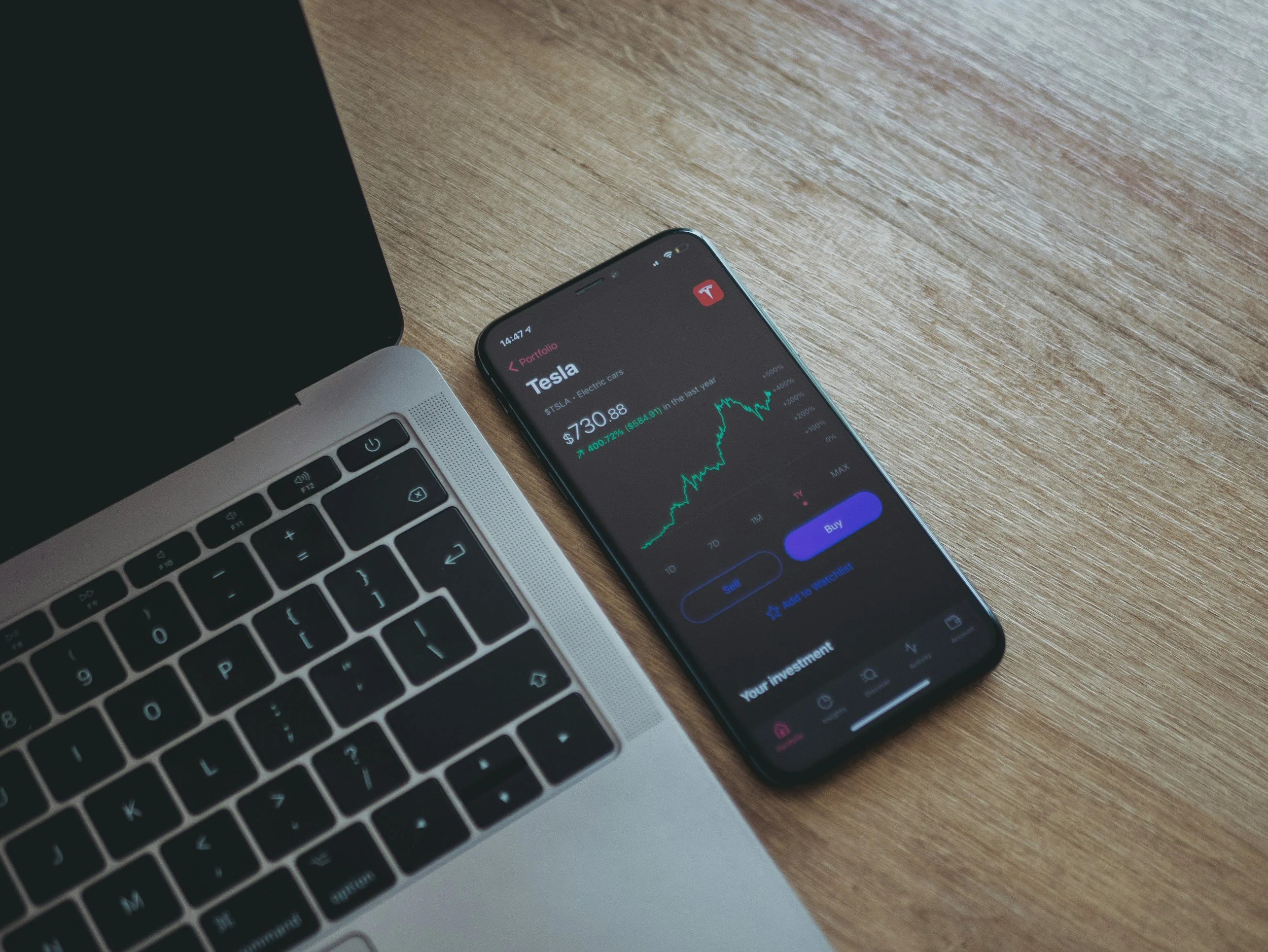
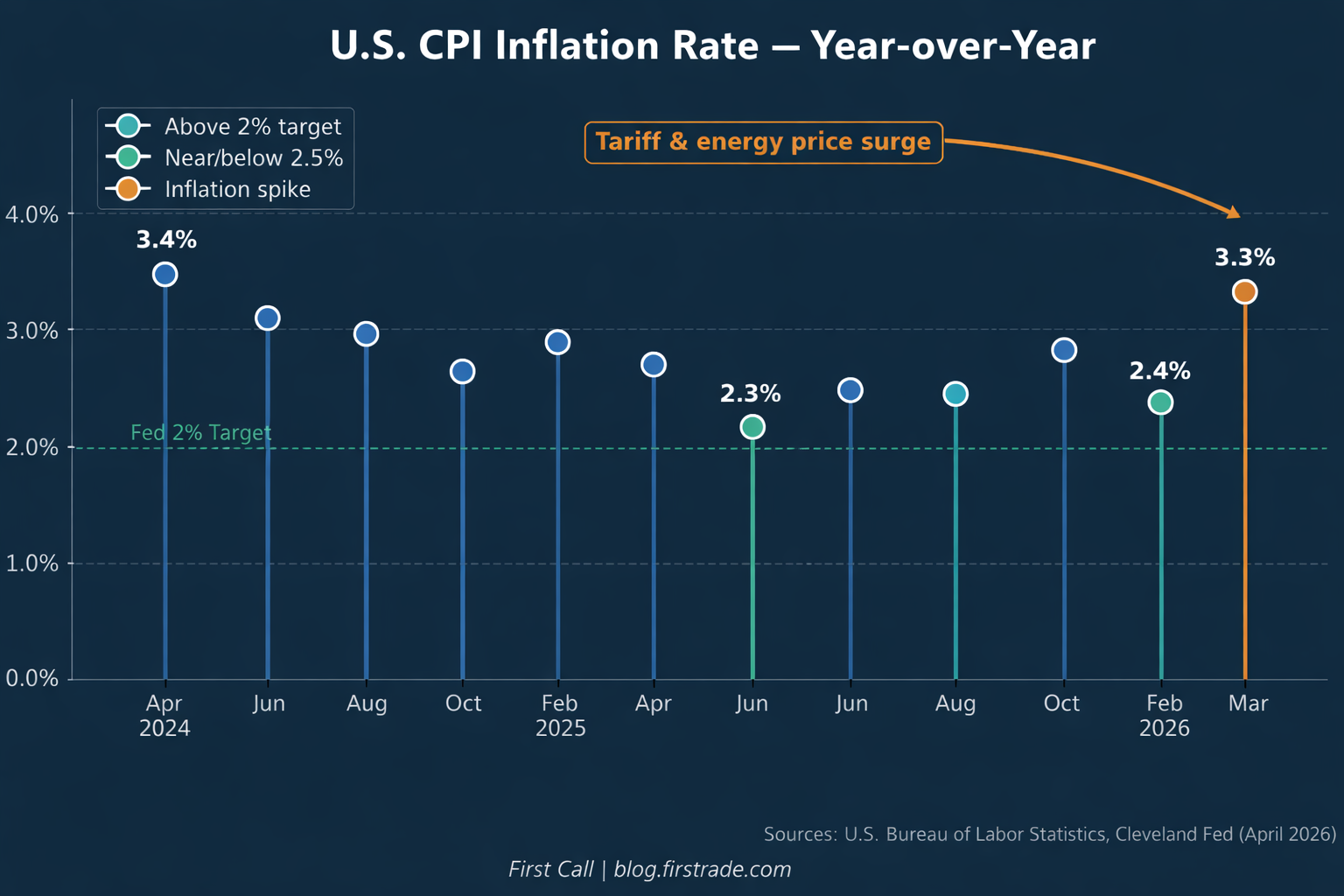
Inflation investing in 2026 has become a top concern for retail investors as the economic landscape shifts dramatically. After months of steady progress toward the Federal Reserve’s 2% target, inflation surged back to 3.3% year-over-year in March 2026—a sharp increase from February’s 2.4% reading. This unexpected reversal, driven by rising energy prices and tariff-related cost pressures, has forced the Fed to pause its rate-cutting cycle and left investors grappling with renewed uncertainty about the path forward.
What Is Driving the 2026 Inflation Spike?
The March 2026 inflation data caught many market participants off guard. After trending downward through much of 2025, the Consumer Price Index (CPI) jumped to 3.3% year-over-year, with the Cleveland Fed’s Inflation Nowcasting tool showing a further rise to 3.58% by mid-April. Two primary forces are behind this reversal.
First, energy prices have surged significantly, with oil prices climbing more than 40% in March alone. Geopolitical tensions, including ongoing conflicts in the Middle East, have disrupted supply chains and driven up fuel costs across the economy. Since energy costs feed into nearly every sector—from transportation to manufacturing to food production—the ripple effects are broad and persistent.
Second, tariff-related cost pressures continue to compound. The Yale Budget Lab estimates that current tariff policies will reduce real GDP by 0.4 percentage points in 2026 while increasing unemployment by 0.6 percentage points. Major corporations have felt the impact directly—consumer goods companies have raised prices on a significant share of their products to offset tariff-related costs, and manufacturers report billions in additional expenses.
Where Does the Federal Reserve Stand on Interest Rates?
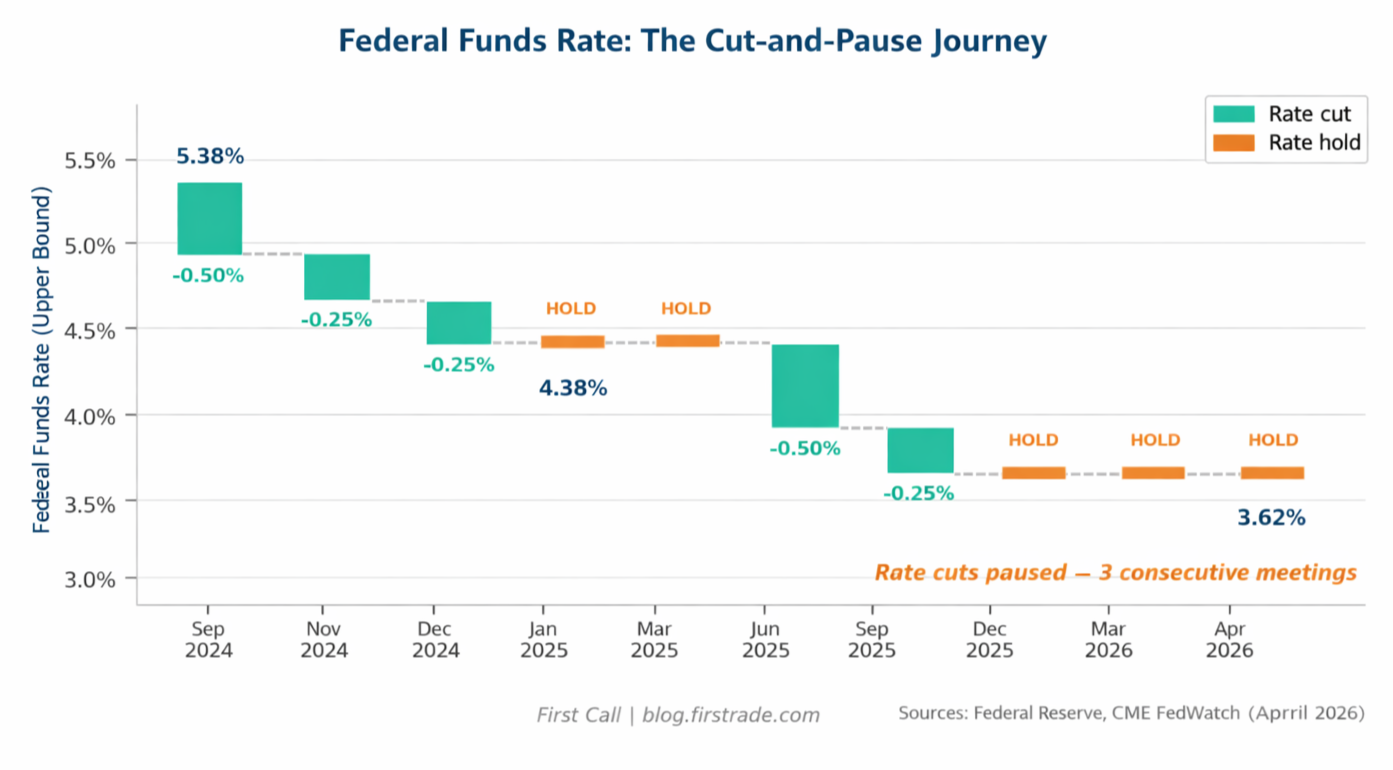
The Federal Reserve has held the federal funds rate steady at 3.5%–3.75% for three consecutive meetings, pausing the rate-cutting cycle that began in late 2024. Fed officials have increased their median projection for headline PCE inflation from 2.4% to 2.7% for 2026, while core PCE expectations have risen to 2.7% as well.
Market consensus has shifted dramatically. At the start of the year, investors anticipated two rate cuts in 2026. Now, the CME FedWatch tool shows markets pricing in zero cuts for the remainder of the year, with some analysts even discussing the possibility of a rate hike if inflation continues to accelerate. The anticipated transition from Fed Chair Jerome Powell to nominee Kevin Warsh adds another layer of policy uncertainty that investors must consider.
How Do Different Asset Classes Perform During Rising Inflation?
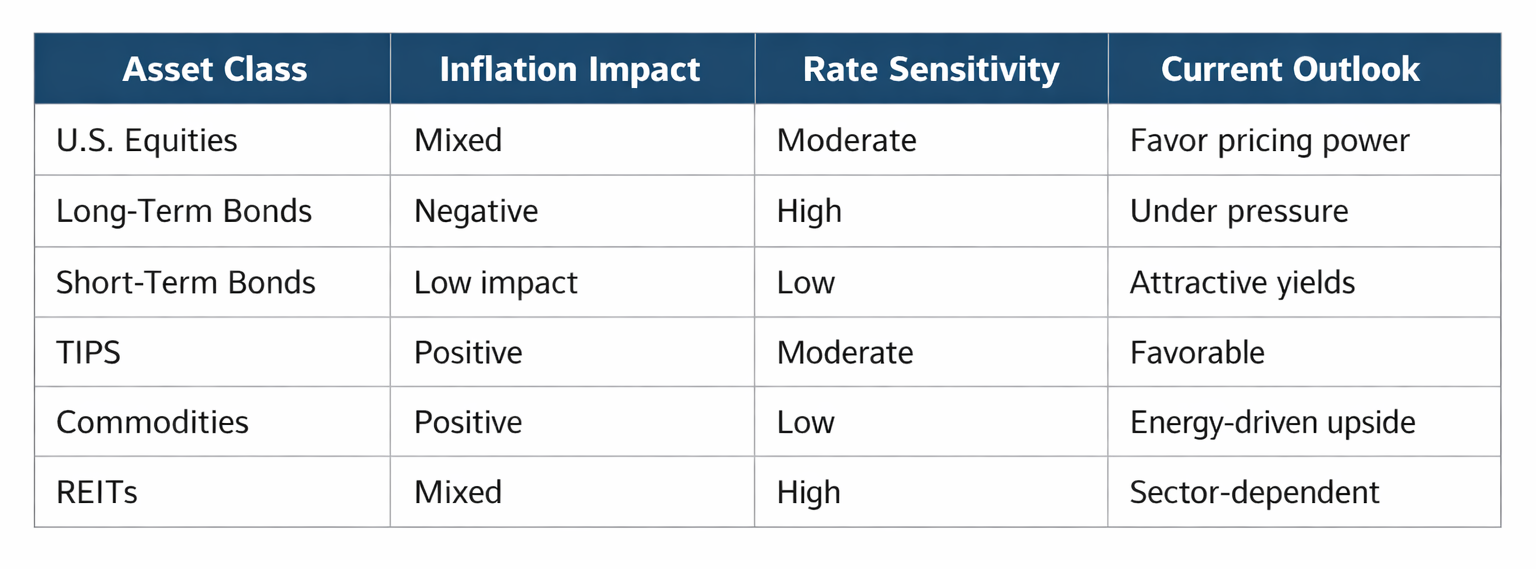
Understanding how various investments respond to inflationary environments can help investors make more informed portfolio decisions. The table below summarizes general historical patterns.
What Strategies Can Investors Consider To Help Hedge Their Portfolios?
In an environment of rising inflation and rate uncertainty, several strategies can help investors manage risk and position for potential opportunity:
Focus on companies with pricing power: Companies with strong domestic revenue exposure and the ability to pass cost increases to consumers tend to outperform during inflationary periods. Look for firms with strong brand loyalty, essential products, and healthy margins.
Consider shorter-duration fixed income: With long-term bond prices under pressure from rising rates, shorter-duration bonds and Treasury bills currently offer attractive yields with less interest rate risk.
Explore inflation-protected securities: Treasury Inflation-Protected Securities (TIPS) adjust their principal based on CPI changes, providing a direct hedge against inflation.
Diversify across asset classes: Commodities and real assets have historically provided an inflation hedge. A diversified approach that includes multiple asset classes can help smooth returns during volatile periods.
Maintain a long-term perspective: Inflationary cycles are temporary. Investors who maintain discipline and avoid panic-driven decisions tend to achieve better long-term outcomes.
What Should Investors Watch in the Months Ahead?
Several key indicators will shape the investment landscape through the remainder of 2026. Monthly CPI and PCE reports will signal whether the March inflation spike was a one-time event or the beginning of a sustained trend. Federal Reserve meeting minutes and press conferences will provide insight into policymakers’ evolving stance. And developments in trade policy—particularly any escalation or de-escalation of tariffs—could significantly alter the inflation trajectory.
The Bottom Line
The inflation and interest rate environment in 2026 presents real challenges for investors, but also real opportunities. By understanding the forces driving prices higher, evaluating how different asset classes respond, and applying time-tested portfolio strategies, retail investors can navigate this uncertainty with confidence.
Markets may be uncertain, but your investment approach doesn’t have to be. Stay informed, stay diversified, and focus on the fundamentals that matter most.
Disclaimer
This article is for educational and informational purposes only and should not be construed as investment advice or a recommendation to buy or sell any security. All investing involves risk, including the possible loss of principal. Past performance does not guarantee future results. Diversification does not eliminate risks. Asset classes will vary significantly, and a positive outcome can never be predicted for any particular asset class or security.
Firstrade Securities Inc. is a member of FINRA/SIPC. Securities products and services are offered through Firstrade Securities Inc. For more information, please visit www.firstrade.com.