Fed Holds Rates Steady in 2026: What a Higher-for-Longer Environment Means for Your Portfolio
The June 2026 Decision at a Glance
The Federal Reserve held its benchmark federal funds rate steady at a target range of 3.50%–3.75% following its June 17, 2026 meeting—the fourth consecutive decision to leave rates unchanged. While the pause itself was widely expected, the accompanying projections caught the market's attention: the Fed's median forecast now points to a year-end rate near 3.8%, slightly above the current level, and policymakers pushed any potential rate cuts into 2027 and beyond. In plain terms, the central bank signaled that borrowing costs may stay elevated longer than many investors had hoped, and that the next move could even be a hike.
The backdrop is an economy still expanding at a solid pace alongside inflation that remains stubbornly above the Fed's 2% target. Officials cited supply-driven price pressures, including in energy markets, as a reason for caution. For retail investors, the headline is less about this single meeting and more about the regime it confirms: a “higher-for-longer” interest-rate environment.
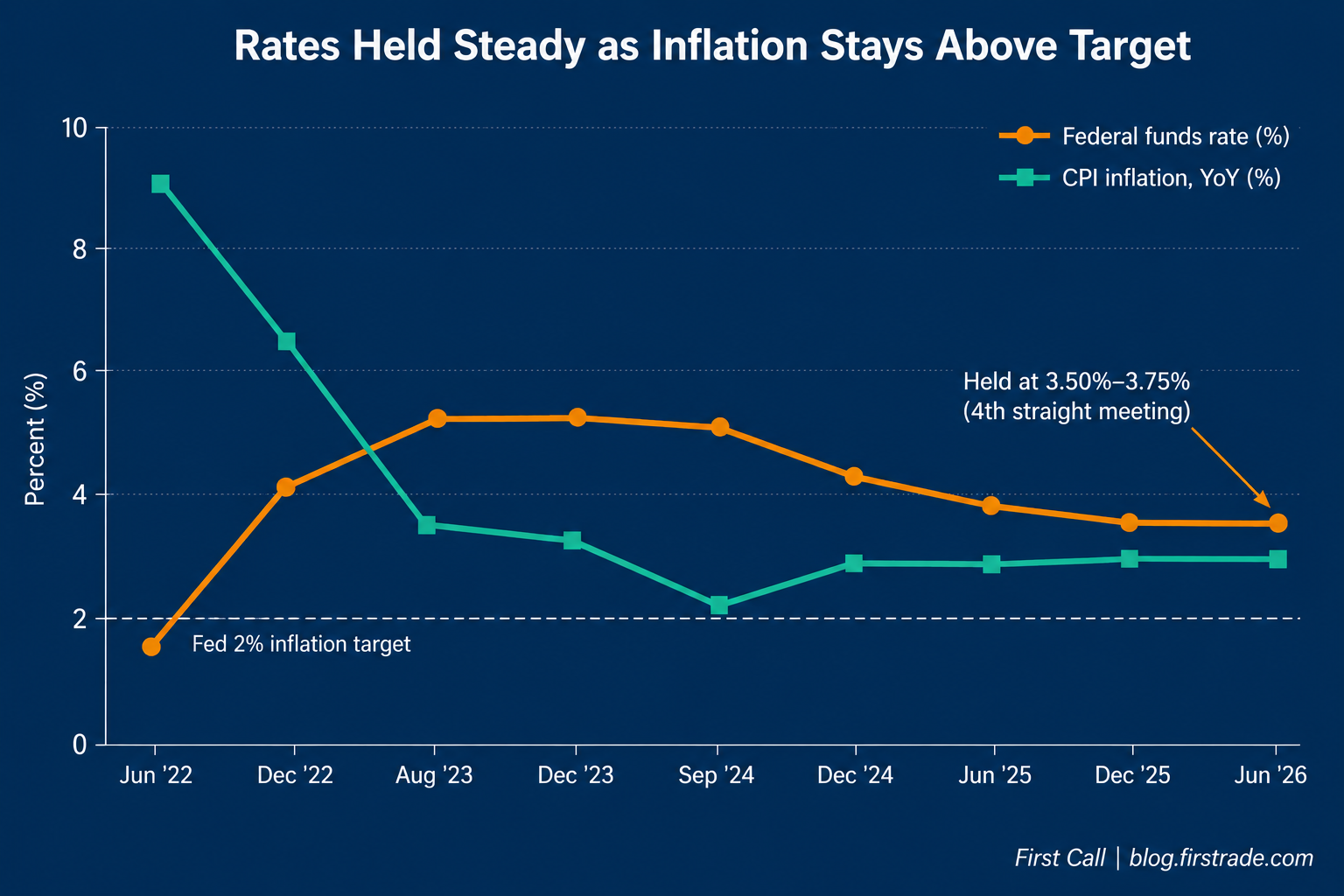
Figure 1 — First Call | blog.firstrade.com
Source: U.S. Federal Reserve (FOMC, June 2026), CNBC | June 29, 2026
What “Higher for Longer” Means for the Federal Funds Rate
After peaking at a target range of 5.25%–5.50% in 2023, the federal funds rate has come down meaningfully, with cuts through late 2024 and into 2025 before settling at today's 3.50%–3.75%. The chart above shows how the rate and inflation have converged but not fully normalized. Because inflation is still running near 3%, the Fed has limited room to ease further without risking a fresh price spike. The result is a plateau rather than a steady decline—and a projection path that has actually drifted higher.
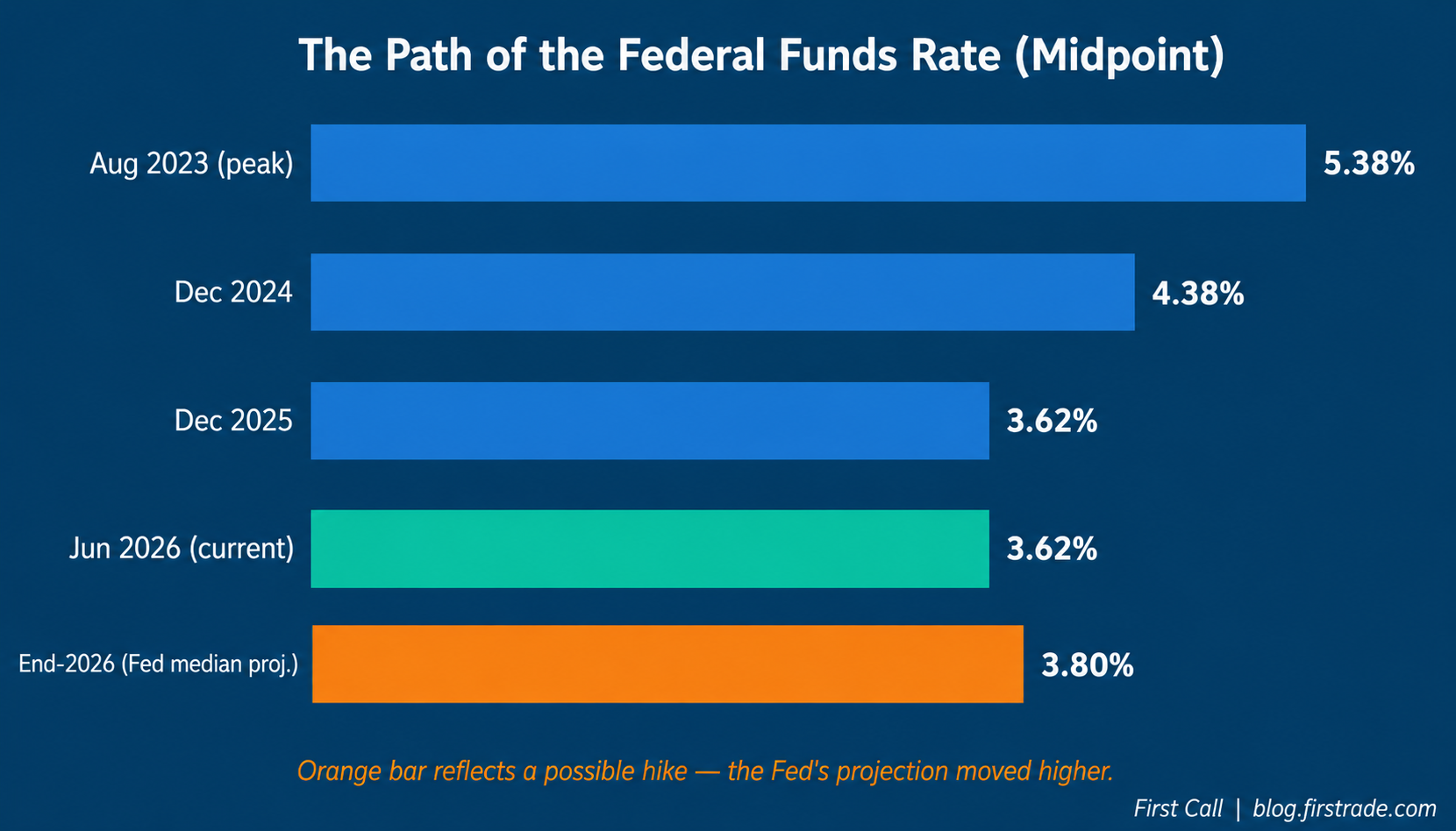
Figure 2 — First Call | blog.firstrade.com
Source: U.S. Federal Reserve, CNBC, Reuters, MarketWatch | June 29, 2026
How a High-Rate Environment Can Affect Different Parts of a Portfolio
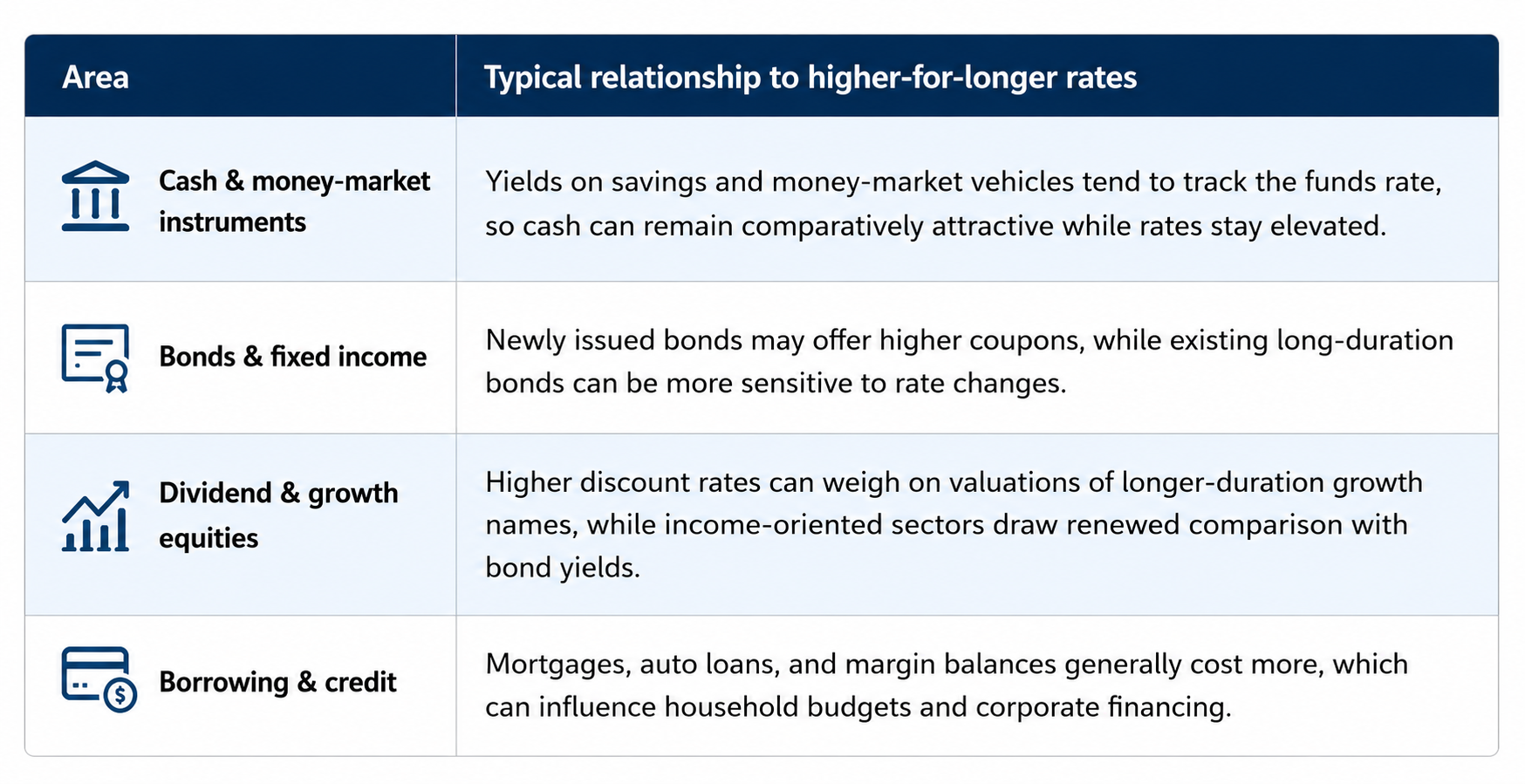
Interest rates ripple through nearly every asset class. The table below summarizes the general, educational relationships investors often consider—not predictions or recommendations, but a framework for understanding why rates matter.
Practical, Educational Takeaways for Investors
A higher-for-longer environment rewards investors who understand their own time horizon and risk tolerance. Cash and short-term instruments may continue to offer competitive yields, but holding too much cash can carry its own opportunity cost if inflation erodes purchasing power. Diversification across asset classes—rather than reacting to any single Fed meeting—remains a core principle of long-term investing. Reviewing how interest-sensitive holdings fit your goals, and revisiting your asset allocation periodically, are reasonable educational steps regardless of the rate cycle.
It is also worth separating noise from signal. Individual meetings and dot-plot shifts generate headlines, but the broader trend—inflation gradually cooling while rates plateau—tends to matter more for a multi-year financial plan than any single announcement.
Frequently Asked Questions
What is the federal funds rate right now?
As of the June 17, 2026 meeting, the Federal Reserve's target range for the federal funds rate is 3.50%–3.75%, unchanged for a fourth consecutive meeting.
Is the Fed expected to cut rates in 2026?
Based on the Fed's June 2026 projections, the median forecast points to a year-end rate near 3.8%, and policymakers signaled that rate cuts have been pushed into 2027 and later. A near-term cut is not part of the current projection, and some officials view a hike as possible.
What should long-term investors focus on in a high-rate environment?
Long-term investors generally benefit from focusing on diversification, their personal time horizon, and a consistent plan rather than reacting to individual rate decisions. This article is educational and does not constitute investment advice.
Important Disclosures
Disclaimer: This article is provided by First Call (blog.firstrade.com) for educational and informational purposes only. It does not constitute investment, tax, or legal advice, and it is not a recommendation to buy or sell any security. Investing involves risk, including the possible loss of principal. Past performance does not guarantee future results. Please consult a qualified financial or tax professional regarding your individual circumstances. Securities products and services are offered through Firstrade Securities Inc., Member FINRA/SIPC.